Preparing for Tax Audits in SMEs: How to Set Up a Digital Audit File?
Preparing for Tax Audits in SMEs: How to Set Up a Digital Audit File?
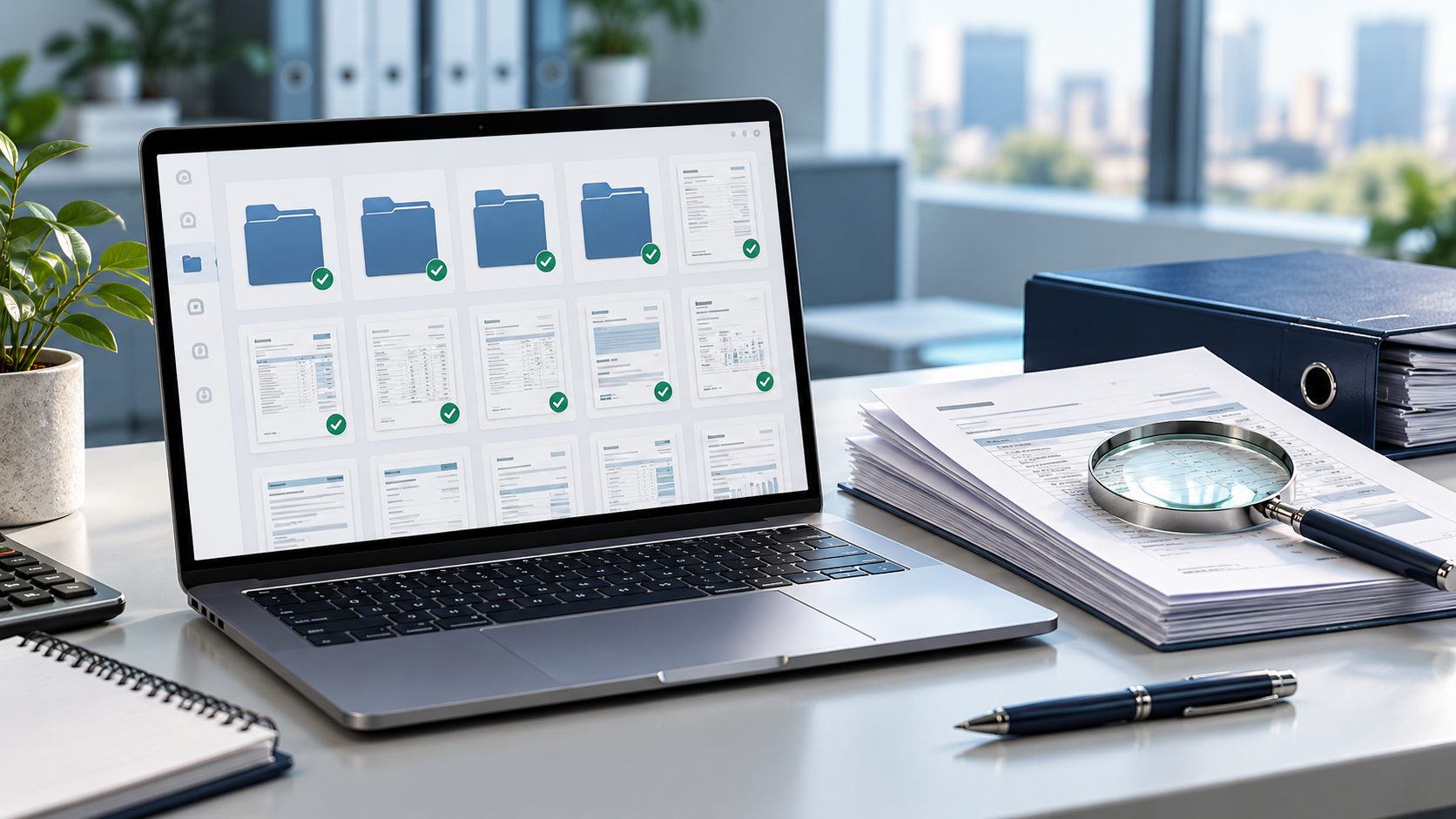
When a tax audit is initiated, the first thing companies usually do is search for documents. Past invoices, bank statements, contracts, files left on an employee's computer... Then they turn to accounting and ask , "Don't you have these?"
Some of it might be related to accounting. However, the person who best knows how the transaction took place, what service was received, and why the payment was made is often the person who actually performed the transaction. Creating an accounting record and being able to explain the business process behind that record carry different responsibilities. This is where a healthy documentation system begins. Are you in a position to explain a significant transaction in your company, along with its supporting documents, several years later? This is the fundamental question we need to answer when establishing a digital audit file.
We have the invoice, but where are the other documents related to the transaction?
Let's say your company receives a high-value consulting invoice. The invoice is recorded, and payment is made via bank transfer. Up to this point, the process may seem complete. But what was the consulting done on? How was the scope of the service defined? Where is the prepared report, the work done, or the delivered output? How is this service related to the company's operations? The answers to these questions may be hidden in different people's emails, WhatsApp conversations, or computers. And when the employee in question leaves the company, accessing the information becomes even more difficult.
Keeping the invoice, contract, documents proving the service was rendered, and payment record together makes it much easier to explain the transaction. This comprehensive documentation is especially important for high-value transactions and those outside the usual procedures.
What is the purpose of a digital audit file?
A digital audit file is a working archive that systematically compiles documents related to a company's important financial and commercial transactions. Initially, you may not need a large software investment to set this up. You can start with a file structure that is appropriate for the size of your company, has defined access permissions, and is regularly backed up. The key is that documents related to the same transaction can be traced back to each other. When you look at an invoice, you should be able to find its contract, delivery receipt, payment record, and any related transaction description. This file does not eliminate legal accounting and document retention obligations. It allows for easier access to the basis of accounting records and shows how transactions are evaluated.
The idea that we'll recover by the end of the year makes things more difficult.
Trying to remember the reason for a payment made months ago, tracing missing contracts, or finding old correspondence can be quite time-consuming. Moreover, a deficiency that could easily be corrected during the transaction may remain unresolved over time. The service provider may have left, the supplier may have changed, the file may have been deleted, or everyone may remember the matter differently. Therefore, managing document organization with monthly checks is more efficient. Finding missing documents, obtaining explanations, and correcting discrepancies is easier when the transaction is still fresh. More comprehensive quarterly checks can also be conducted depending on the company's transaction volume. The key here is to make document tracking a part of daily operations.
What documents should be included in the file?
Not every business needs an archive with the same level of detail. However, the following headings provide a good starting point for most SMEs.
Declarations and accounting controls
Tax returns, accruals, and payment records should be kept according to their respective periods. The consistency between declared amounts and accounting records should also be checked. If an amended tax return has been filed, a brief explanation of why the amendment was made should be included in the file. Revisiting the same issue several years later may not be sufficient to understand the transaction simply by seeing the changed amount.
Invoices and the commercial basis of the transaction.
E-invoices and e-archive invoices must be protected in accordance with the storage and presentation requirements of the relevant systems. Depending on the nature of the transaction, offers, orders, contracts, delivery notes, delivery receipts, and service reports should also be included in the relevant file. Using common information such as date, company name, and document number in file names makes it easier to find the required document. Names like "latest version," "new file," or "invoice updated" become unhelpful after a while.
Bank, cash, and advance records
Bank transactions and accounting records should be regularly compared. Unexplained transfers, payments from partners' or employees' accounts, and long-standing advances should also be tracked. For example, expense documents, expense forms, and any refunded amounts for advances given to employees should be visible in the same file. The balance shown in the cash account should also be checked to ensure it aligns with the actual situation. The amount recorded must be explainable within the company's actual operations.
Contracts and related party transactions
Signed and up-to-date versions of important contracts should be kept. The consistency between the price and payment schedule in the contract and the invoices and actual payments should be examined. Studies showing how the price was determined in transactions with partners or related companies are also important. Depending on the nature of the transaction, price quotations, comparable sales, calculations, and management decisions can be included in the file.
Personnel, wage and expense documents
Employment contracts, salary changes, bonus decisions, payrolls, and bank payments should be tracked together. Employee expenses should also clearly indicate which job the expenditure was for. Simply knowing the amount of travel, accommodation, or representation expenses may not be sufficient to understand their connection to the company. Fringe benefits and other payments made on behalf of the employee should be evaluated from a tax and social security perspective before implementation.
Fixed assets and inventories
Accounting records should be matched with purchase documents for assets such as vehicles, machinery, computers, and software. The processes of commissioning, sale, or disposal should also be documented. In businesses operating with inventory, counting results, losses, returns, and the reasons for inventory discrepancies should be recorded. Leaving significant discrepancies for each period to the next can create a difficult-to-explain situation over time.
Add a brief description to the featured actions.
There's no need to prepare a lengthy report for every invoice. However, a short note is quite useful for high-value transactions, transactions involving related parties, or transactions subject to different tax assessments.
This note may contain the following information:
The commercial purpose of the transaction.
Reasons for choosing the opposing side.
How the price is determined.
Documents proving delivery of goods or services.
The basis of accounting and tax practice.
If applicable, the person or management decision approving the transaction.
Writing a few paragraphs during the process can save you from having to research the same process again years later. Of course, the explanatory note should also be supported by documents demonstrating the process.
Share the responsibility within the company.
The purchasing unit must submit the contract, the sales unit the delivery information, the human resources unit the salary change, and the finance unit the payment document to accounting on time. For your financial advisor to make a sound assessment, they need access to the transaction information and documentation. Information not shared within the company will not automatically appear in the accounting records. Therefore, clarify three points from the outset: Who will prepare the document, who will review it, and by what date will it be added to the file?
Create a common tracking list for missing documents. Define access permissions, maintain previous contract versions, and ensure backups can be accessed when needed. Pay particular attention to file sharing arrangements, especially for files containing personnel information and trade secrets.
Begin preparation with the most important steps.
Trying to make all past years flawless at once can make getting started difficult. First, address high-value transactions, cash transfers with partners, outstanding advances, and important contracts. Then, integrate this same process into your monthly operations. Determine the scope of the file with your financial advisor, based on your company's field of activity and needs. A well-organized digital audit file makes it easier to access documents in the event of a review. It also allows for the identification of deficiencies in daily operations, the control of accounts, and provides management with more accurate information.
If you can describe what you did today with the same clarity tomorrow, then your document organization serves its purpose. You should always have a file organization system, and your folders/documents should be in the same order. You should also always have a checklist, pinned to the top of each folder/document.
Our accountants can review your specific situation and guide you on the next step.
Request a Meeting